
Enquiry Now!
I consent to the processing of personal data and agree with the user agreement and privacy policy

When manufacturers need a plastic material that can handle strength, wear, heat and demanding mechanical applications, Nylon 6 granules are often considered a practical engineering solution. Also known as PA 6 (Polyamide 6), Nylon 6 combines good mechanical strength with toughness, abrasion resistance and processing flexibility.
From automotive components and electrical parts to gears, bearings and industrial machinery, Nylon 6 granules are used in applications where ordinary plastics may not provide the required performance.
But what exactly is PA 6, and how do you know which Nylon 6 grade is suitable for your application?
Let’s take a closer look.
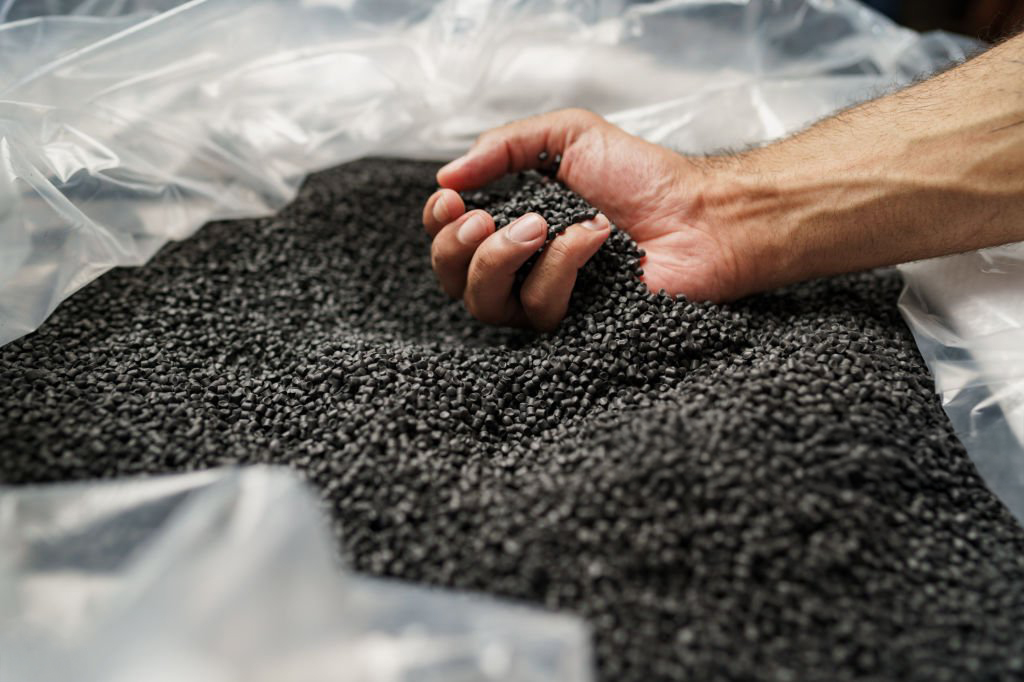
Nylon 6 granules are engineering thermoplastic pellets made from Polyamide 6 (PA 6). They are supplied in a granular form so that manufacturers can process the material through techniques such as injection moulding, extrusion and other plastic-processing methods.
Nylon 6 is produced through the polymerization of caprolactam. Its combination of strength, toughness, abrasion resistance and processing flexibility makes it useful for manufacturing durable engineering components.
RH Polymatrix supplies Nylon 6 granules and compounds for applications requiring reliable mechanical and thermal performance. The company also offers reinforced and customized grades depending on the requirements of the finished component.
Quick Answer: What is PA 6?
PA 6 is Polyamide 6, commonly called Nylon 6. It is a semi-crystalline engineering thermoplastic known for good mechanical strength, toughness, wear resistance, chemical resistance and processing flexibility.
In simple terms:
PA 6 = Polyamide 6 = Nylon 6
Choosing an engineering plastic is rarely just about price. Manufacturers need a material that performs consistently during processing and continues to perform after the finished component enters service.
Nylon 6 offers a useful balance of properties, including:
These characteristics make PA 6 particularly useful for components exposed to mechanical stress, repeated movement or wear.
For example, Nylon 6 can be used in gears, bearings, bushings, wear components and machinery parts, where durability and smooth operation are important.
The exact performance of Nylon 6 depends on the grade, additives, reinforcement and processing conditions. However, standard PA 6 generally provides a useful combination of mechanical and physical properties.
PA 6 can withstand considerable mechanical loads, making it suitable for engineering components that need strength without the weight associated with some metal alternatives.
Nylon 6 offers a good balance between stiffness and toughness. This helps components handle everyday mechanical stresses and impacts.
One of the major reasons Nylon 6 is selected for engineering applications is its resistance to abrasion and wear. This makes it useful for moving and contacting components.
PA 6 can perform in applications where the material is exposed to elevated temperatures, although the appropriate grade should always be selected according to the actual operating conditions.
Nylon 6 provides resistance to a range of chemicals, which can be valuable in industrial and automotive environments.
Suitable PA 6 grades can provide useful electrical insulation properties, making Nylon 6 relevant to electrical and electronic component manufacturing.
Nylon 6 granules are versatile and can be used across several industries.
Automotive Industry
Automotive manufacturers use engineering plastics to reduce component weight while maintaining mechanical performance. PA 6 can be considered for components where strength, durability, heat resistance and dimensional stability are important.
Electrical & Electronics
Nylon 6 is also used in electrical and electronic applications because selected grades can offer useful insulation and mechanical properties.
Industrial Machinery
Industrial equipment often requires components that can withstand friction, repeated movement and mechanical loads. Nylon 6 is suitable for various machinery components because of its strength and wear characteristics.
Engineering Components
Common applications can include:
RH Polymatrix specifically highlights applications such as gears and other components requiring toughness, lubricity and long service life.
Not every manufacturing application requires the same Nylon 6 formulation.
A standard unfilled PA 6 may be suitable for one application, while another component may require additional reinforcement or performance modification.
Depending on the required properties, Nylon 6 can be customized with different reinforcements and additives.
RH Polymatrix offers Nylon 6 compounding solutions that include:
The appropriate formulation depends on the application’s mechanical, thermal, electrical and processing requirements.
No. Nylon 6 and PA 6 refer to the same basic polymer family.
“PA” stands for Polyamide, while “6” identifies the specific polymer structure associated with Nylon 6.
So if a manufacturer asks for:
they are generally referring to the same base engineering thermoplastic.
However, the grade can still be different depending on whether the material is unfilled, glass-filled, carbon-filled, flame-retardant, impact-modified or formulated for a specific application.
Selecting PA 6 should begin with the finished product rather than simply choosing the cheapest available material.
Consider these factors:
Application
What will the component be used for?
A gear, electrical housing and automotive component may require completely different material characteristics.
Mechanical Load
Determine the expected tensile, impact and compressive loads. Higher-load applications may benefit from reinforced PA 6 grades.
Temperature
Consider both the continuous operating temperature and short-term temperature exposure.
Wear and Friction
For bearings, gears, bushings and moving parts, wear and friction performance can be particularly important. Specialized anti-wear grades may be appropriate.
Moisture Exposure
Polyamides can interact with moisture, so environmental conditions and dimensional requirements should be considered during grade selection and processing.
Processing Method
Tell your material supplier whether the component will be manufactured through injection moulding, extrusion or another process. The material should be compatible with the intended processing method.
Colour and Appearance
If appearance matters, customized colour grades can be considered alongside the required mechanical performance.
Standard Nylon 6 already provides useful engineering properties, but reinforcement can improve specific characteristics.
For example, glass fibre reinforcement can increase stiffness and mechanical strength, making reinforced PA 6 suitable for applications where the unfilled material may not provide sufficient rigidity.
Carbon fibre can also be used where higher stiffness and specialized performance are required.
For components exposed to friction, specialized formulations containing materials such as PTFE, graphite or molybdenum disulphide (MoS₂) can provide improved anti-friction and wear characteristics. RH Polymatrix offers these types of customized Nylon 6 compounds.
For industrial buyers, sourcing Nylon 6 is not simply about finding a supplier who can provide pellets.
Batch consistency, grade selection, customization, quality control and technical support can directly affect production performance.
A reliable Nylon granules manufacturer should be able to help with:
RH Polymatrix focuses on engineering plastic compounds and supplies Nylon 6 materials for automotive, electrical, consumer goods and industrial applications. Its manufacturing approach includes quality control and customized compounding options.
RH Polymatrix is an India-based supplier and manufacturer of engineering plastic compounds, offering Nylon 6 granules and customized PA 6 solutions for industrial requirements.
Its Nylon 6 portfolio includes natural plain grades along with reinforced and performance-modified compounds. The company supports applications requiring properties such as mechanical strength, toughness, wear resistance, thermal performance and dimensional stability.
RH Polymatrix also emphasizes quality control, technical support and customized material solutions for different manufacturing requirements.
For buyers looking for Nylon 6 granules in bulk, the right approach is to discuss the application, processing method and required performance before selecting a grade.
Nylon 6 granules and PA 6 remain important engineering materials because they offer a practical balance of strength, toughness, wear resistance, thermal performance and processing flexibility.
However, choosing the right Nylon 6 is about more than selecting a polymer name. The right grade, reinforcement, additives and formulation can make a significant difference to the performance of the final component.
Whether you need standard PA 6, glass-filled Nylon 6, carbon-fibre-reinforced material or an anti-wear formulation, working with an experienced Nylon 6 granules manufacturer can help you match the material to your actual production requirements.
RH Polymatrix provides Nylon 6 granules and customized PA 6 compounds for manufacturers looking for consistent, application-focused engineering plastic solutions.
Nylon 6 granules are pelletized Polyamide 6 (PA 6) engineering thermoplastic materials used to manufacture plastic components through processes such as injection moulding and extrusion.
PA 6 stands for Polyamide 6 and is another name for Nylon 6. It is a semi-crystalline engineering thermoplastic known for strength, toughness, wear resistance and good processing characteristics.
Generally, Nylon 6 offers higher mechanical strength, stiffness and wear resistance than many general-purpose plastics. However, the actual performance depends on the specific grade and application.
Yes. Nylon 6 is widely processed through injection moulding to manufacture engineering components. The correct grade and processing conditions should be selected according to the product requirements.
Yes. Nylon 6 can be modified with glass fibre, carbon fibre, minerals, flame-retardant systems, impact modifiers and anti-friction additives. Custom colours and application-specific formulations can also be developed.
PA 6 granules are used in automotive, electrical, electronics, industrial machinery, consumer products and engineering applications. Typical components include gears, bearings, bushings, wear pads and machinery parts.
Unfilled Nylon 6 provides a balanced combination of strength and toughness. Glass-filled Nylon 6 generally offers greater stiffness and mechanical strength, making it more suitable for applications requiring higher structural performance.

I consent to the processing of personal data and agree with the user agreement and privacy policy
